Service Design & Research: Adapting YunoJuno to New Freelancer Hiring Regulations
Project Background
The Challenge: Navigating a Shifting Freelance Landscape
YunoJuno, the UK’s leading marketplace for premium creative and tech freelancers, faced a pivotal moment. Impending changes by the UK Government to the hiring process of freelancers were poised to have a significant impact on YunoJuno’s business model and, crucially, on the way their customers engaged with freelance talent.
My role, rooted in service design principles, was to collaborate closely with YunoJuno’s senior management. The core objective was to apply design research methodologies to delve deep into the implications of these regulatory shifts. This involved engaging directly with their senior customers to understand their concerns, anticipate their future needs, and identify opportunities for YunoJuno to adapt and continue providing exceptional value. This was not just about compliance; it was a service design challenge focused on proactively redesigning their service offering to thrive in a new operational reality.
Uncovering Perspectives: The Research Journey
To truly grasp the on-the-ground impact of the impending regulatory changes and to identify how YunoJuno could best support its users, the cornerstone of our service design process was design research. This involved a series of in-depth user research sessions with senior customers, designed to elicit candid feedback, understand existing workflows, and uncover unmet needs. The goal was to move beyond assumptions and gather rich, qualitative data that would form the bedrock of any new service proposition.
One such engagement was an interview with the owner of a consultancy that frequently leveraged YunoJuno for sourcing talent for major clients like RBS and TalkTalk. Their perspective, as a significant user of the platform, was invaluable. These conversations weren’t just about the regulatory changes; they became a window into the everyday experiences of YunoJuno’s customers – what they valued, where their frustrations lay, and what opportunities they saw for improvement.
Several key themes began to emerge from these discussions:
-
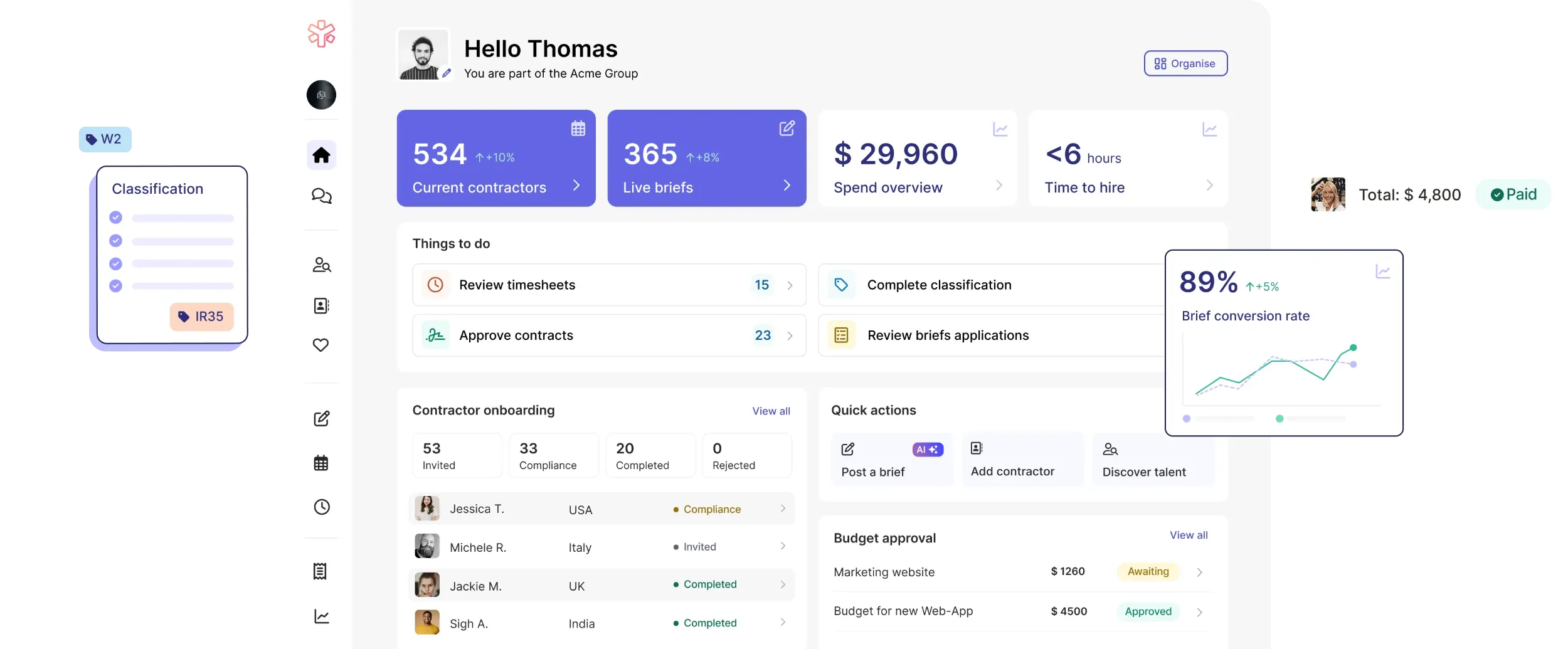
The IR35 Cloud: The upcoming IR35 reforms were a significant source of anxiety. Customers like Tony expressed concerns about the potential impact on their agility and speed in the market, the administrative burden, and the risk of losing freelance talent who might be deterred by the new regulations. There was a clear question mark over whether YunoJuno would become more or less critical in this new environment, with its importance heavily dependent on its ability to help businesses and freelancers navigate these complexities.
-
Onboarding Overheads: A recurring pain point was the laborious nature of onboarding new freelancers. Tony highlighted that it could take months to get someone fully integrated, a significant time investment, especially if projects were shorter-term or if talent churn occurred. This pointed to a need for YunoJuno to potentially streamline or support this aspect of the engagement lifecycle.
-
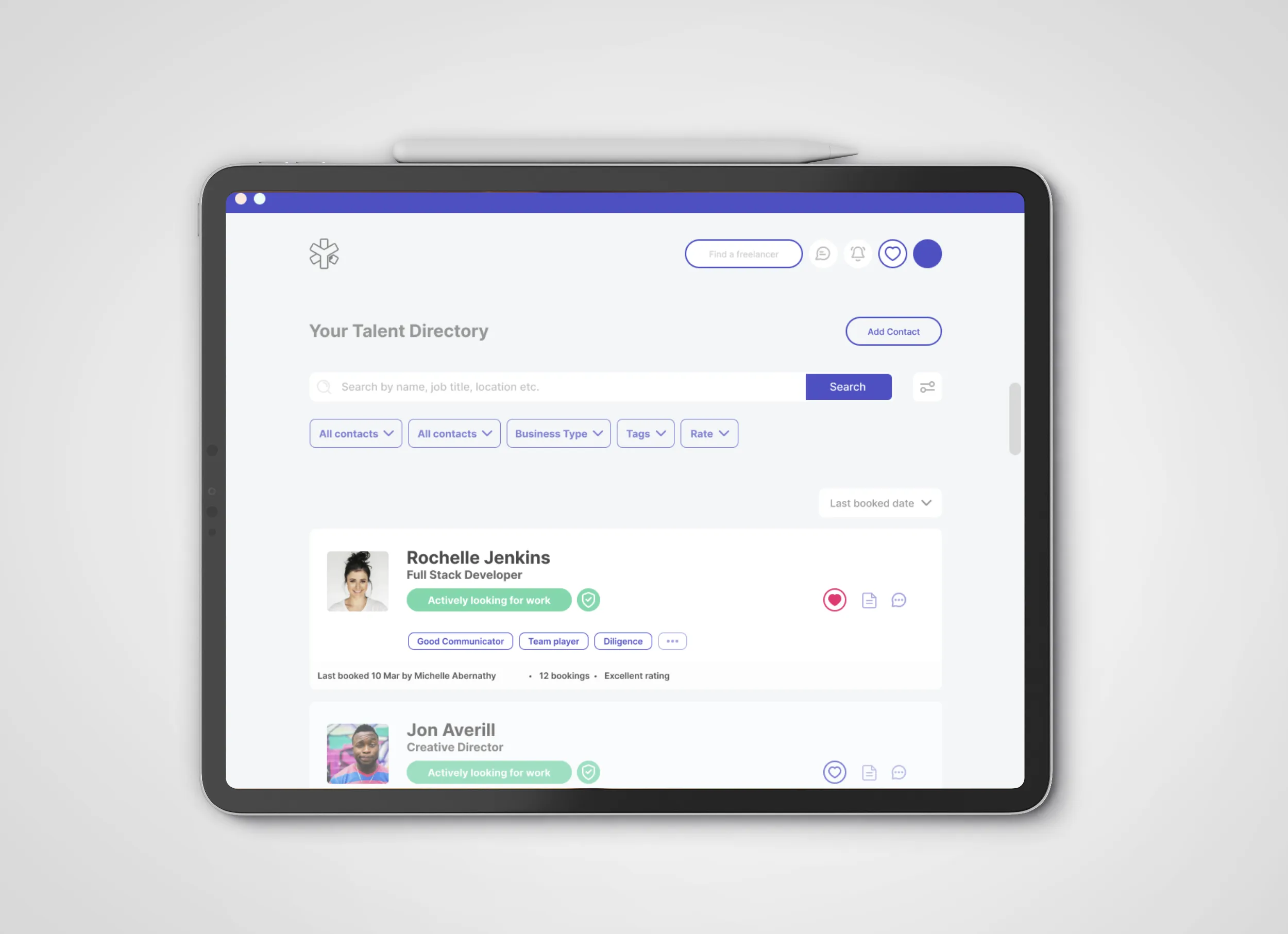
Platform Enhancement Opportunities: While YunoJuno was valued for its pool of talent, users identified areas for platform improvement. Suggestions included a desire for more robust rating systems for freelancers (even those not in a company’s direct ‘Blackbook’), and a more integrated, end-to-end tool for project planning that could seamlessly connect with resource booking and allocation.
-
The Evolving Role of Freelance Platforms: There was an appetite for YunoJuno to evolve beyond a simple matching service. Ideas surfaced around YunoJuno facilitating direct client engagements through its platform (with a shared commission model) or even acting as a remote creative platform, enabling companies to tap into senior creative talent without traditional hiring overheads.
These initial design research conversations were crucial. They provided not just a list of features or complaints, but a deeper understanding of the operational realities and strategic priorities of YunoJuno’s key customers. This qualitative data was an essential input for the service design process, shaping the subsequent business value proposition to ensure it was grounded in genuine user needs and addressed the most pressing challenges highlighted.
Forging a New Path: The Umbrella Service Proposition
The design research insights gathered from senior customers painted a clear picture: the impending regulatory changes, particularly IR35, were not just a hurdle but an opportunity for YunoJuno to deepen its partnership with clients and freelancers alike. The anxiety around compliance, coupled with existing operational pain points like onboarding and the desire for more integrated platform services, highlighted by the design research, called for a proactive and supportive service design solution from YunoJuno.
Based on this understanding, the key strategic recommendation and resulting value proposition was for YunoJuno to develop and offer a service akin to an Umbrella Company. This was not merely a reactive measure to the new regulations but a strategic pivot designed to address a spectrum of customer needs and solidify YunoJuno’s position as an indispensable partner in the freelance ecosystem.
The core idea was to provide a framework that would simplify the engagement model for both businesses hiring freelancers and the freelancers themselves, particularly in light of the new IR35 responsibilities. By stepping in to manage some of the administrative and compliance complexities, YunoJuno could offer significant benefits:
-
Navigating IR35 Complexity: An umbrella service would directly address the concerns surrounding IR35. By potentially handling aspects of employment status determination, tax deductions, and National Insurance contributions, YunoJuno could alleviate a major administrative and legal burden from its clients. This would allow businesses to continue accessing top freelance talent with greater confidence and reduced risk.
-
Streamlining Engagement & Reducing Overhead: For businesses, especially smaller ones, an umbrella structure could simplify payroll, insurance, and other employment-related responsibilities. This would reduce the “headache” factor mentioned in the interviews and free up client resources to focus on their core operations rather than the intricacies of freelancer administration.
-
Enhancing Value for Freelancers: For freelancers, being engaged via a YunoJuno-backed umbrella service could offer benefits like consolidated income processing, potentially access to certain employment-style benefits (depending on the model), and a clearer contractual framework, making engagements through YunoJuno more attractive and secure.
-
Strengthening YunoJuno’s Ecosystem: This new proposition was designed to do more than just retain existing customers; it aimed to attract new ones. By offering a solution that directly tackled a major market challenge, YunoJuno could differentiate itself, enhance loyalty, and create stickier relationships with both sides of its marketplace – the businesses and the freelance talent.
This strategic service design direction was a direct response to the design research findings. It acknowledged the anxieties expressed by customers, the operational burdens they faced, and their desire for a platform partner that understood their evolving needs. The development of an Umbrella Company service was envisioned as a key service design outcome, allowing YunoJuno to not only adapt to the changing regulatory landscape but to proactively enhance its value proposition, fostering a more resilient and supportive environment for the future of freelance work.
Strategic Impact and Future Outlook
The three-month service design and design research initiative culminated in a clear, actionable strategy for YunoJuno to navigate the evolving freelance landscape. The proposed Umbrella Company service was more than just a compliance solution; it represented a proactive step to strengthen YunoJuno’s market position, deepen customer relationships, and foster a more robust freelance ecosystem.
Projected Impacts:
-
Enhanced Client Retention & Attraction: By directly addressing the significant IR35 concerns and reducing administrative burdens for businesses, YunoJuno was positioned to not only retain its existing client base but also attract new businesses seeking a secure and simplified way to engage top-tier freelance talent.
-
Improved Freelancer Loyalty: Offering a supportive umbrella structure could make YunoJuno a more attractive platform for freelancers, providing them with greater clarity, potentially more stable engagement terms, and reduced personal administrative overhead when dealing with IR35 complexities.
-
Strengthened Market Differentiation: In a competitive market, the ability to offer an integrated umbrella service provided YunoJuno with a significant differentiator. It signaled a commitment to understanding and proactively addressing the core challenges faced by both sides of its marketplace.
-
Foundation for Future Growth: The insights gathered through the design research phase also highlighted further opportunities for platform evolution – from enhanced project management tools to new models for creative talent engagement. The Umbrella Service could serve as a foundational layer upon which these future service enhancements could be built.
A Forward-Looking Perspective:
This project underscored the critical importance of user-centric service design in responding to external pressures like regulatory change. By grounding its strategy in the expressed needs and anxieties of its customers, YunoJuno was able to transform a potential threat into a strategic opportunity. The move towards an Umbrella Company model was envisioned to secure YunoJuno’s role as a vital partner for businesses and freelancers, ensuring its continued growth and relevance in the dynamic world of freelance work. The methods employed – in-depth user research sessions leading to a clearly defined business value proposition – provided a repeatable framework for future service innovation.