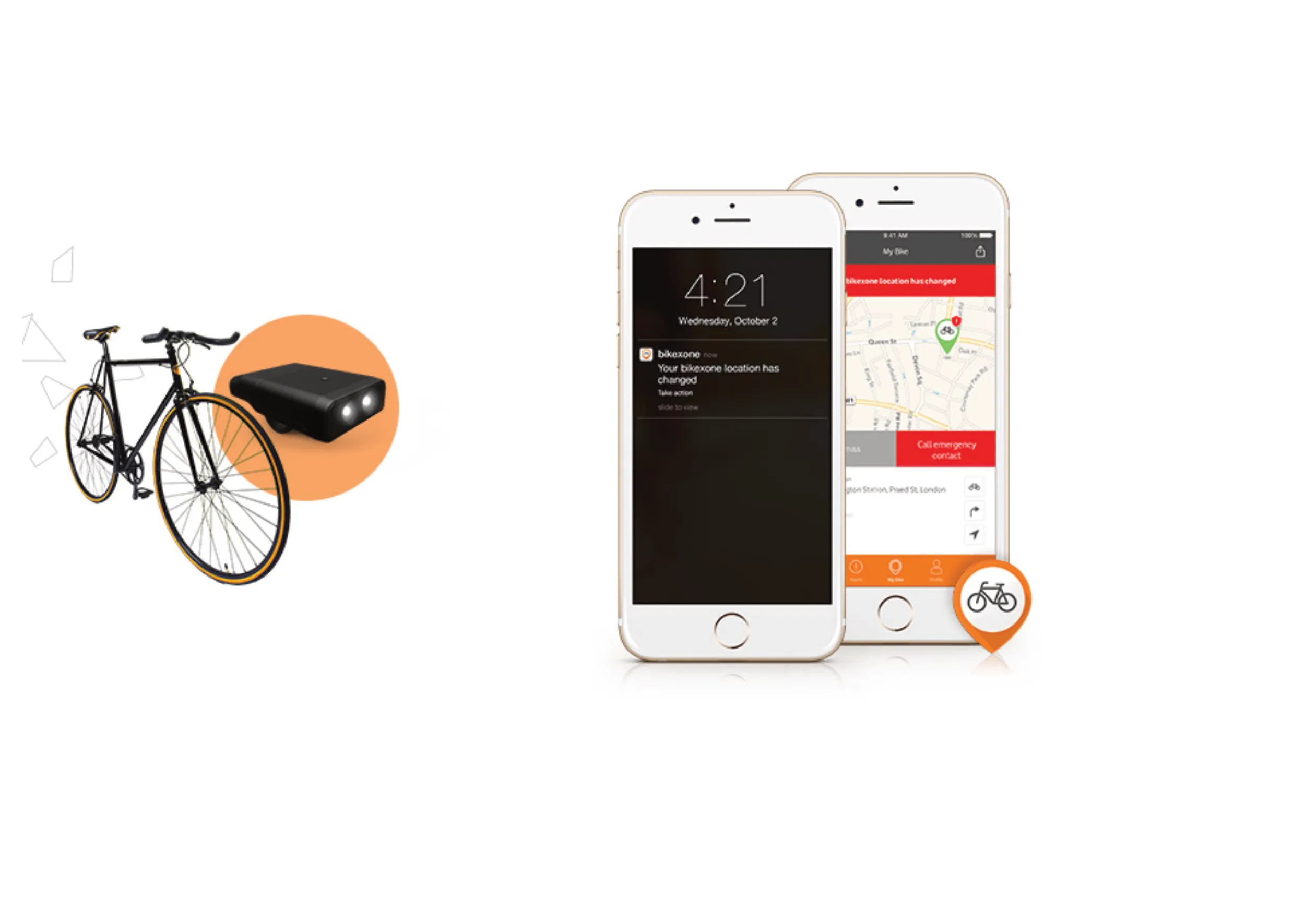
Vodafone's urban mobility tracking service
Project Background
The Challenge: Securing the Urban Commute
For many urban dwellers, bicycles and mopeds are not just modes of transport; they represent freedom, efficiency, and a sustainable way to navigate the bustling cityscape. However, this convenience is often shadowed by a persistent concern: the security of their valued vehicles. Theft and the anxiety of potential loss can significantly mar the experience of urban commuting. Recognizing this widespread pain point, Vodafone’s Innovation team embarked on a mission to explore how technology could offer a robust solution, aiming to provide bike and moped owners with a greater sense of security and peace of mind.
My engagement with this initiative was comprehensive, spanning the full six-month initial lifecycle of the project. The core objective was to develop a viable service concept for an urban mobility tracking solution. My role was multifaceted, involving setting the strategic direction for the project, meticulously defining its scope and managing the budget, leading in-depth user research to uncover true needs and behaviours, guiding the internal Vodafone development teams, and navigating the complexities of managing external hardware suppliers. This was a journey from a nascent idea to a tangible Proof of Concept (POC), designed to bring a new level of control and reassurance to urban commuters.
From Broad Strokes to Sharp Focus: Early Research and Redefining the User
The initial phase of the project, undertaken in June 2015, centred on a Proof of Concept (POC) designed to test the waters. The primary goals for this POC were ambitious: to gauge consumer demand for a “connected commuter” service, define compelling early marketing messages, and identify the core product fit and essential feature sets. This early exploration involved developing a basic application and tracker, which was then put into the hands of potential users.
The findings from this initial POC were pivotal. While there was an undeniable interest in vehicle tracking, the critical learning was that our initial target audience – the broadly defined “connected commuter” – was too vague. Their needs and motivations were diverse, and a one-size-fits-all approach wouldn’t unlock significant market traction. This realisation prompted a deeper dive into understanding who would truly value and, crucially, pay for such a service.
This led to a more intensive design research phase, employing a range of qualitative methodologies. Through Generative Sessions, we encouraged participants to co-create solutions and articulate their ideal scenarios. Contextual Inquiry allowed us to observe commuters in their natural environments, understanding their routines and pain points firsthand. Usability Testing on refined prototypes of the “bikexone” service – the name that began to crystallise for the offering – helped us iterate on the user experience. From this rich data, clearer Persona archetypes began to emerge.
Two distinct and highly motivated segments became the new focus:
- Performance & Fitness Fanatics: This group, typically owning high-value road bikes (£1500+), was driven by a passion for cycling. For them, the bike was more than transport; it was an investment and a key part of their lifestyle. Their primary motivation for a tracking service was the peace of mind that came from knowing their prized possession was secure. They desired a discreet, reliable device that wouldn’t interfere with their cycling experience.
- Urban Utilitarians: This segment relied on their bikes or mopeds for daily commuting and essential errands. Their vehicles were practical tools, and their primary concern was the disruption and cost associated with theft. They sought convenience and freedom from the constant worry of their vehicle being stolen, particularly when parked in public spaces.
Understanding these nuanced motivations – the desire for control, security, and convenience – was fundamental. It wasn’t just about tracking a stolen bike; it was about proactively minimising the risk and emotional distress of theft, offering a tangible sense of reassurance. This refined understanding of the target user, born from rigorous user research, became the bedrock upon which the “bikexone” service proposition would be built and its features prioritised.
Crafting “bikexone”: Value Proposition, Competitive Edge, and Core Features
Armed with a deep understanding of our target users – the “Performance & Fitness Fanatics” and “Urban Utilitarians” – the next step was to crystallise the “bikexone” value proposition and define how it would stand out in an emerging market. The core user needs were clear: peace of mind stemming from enhanced security, a discreet tracking device that didn’t advertise its presence, and overall convenience in managing their vehicle’s safety.
The challenge “bikexone” aimed to solve was multifaceted. It was about demonstrably removing the tangible pain points of urban cycle commuting – such as the constant search for secure parking and the limitations of traditional locks – while actively working to avoid the disruption caused by theft. The service needed to deliver not just reactive tracking, but proactive security and a simplified recovery process.
Our analysis of the competitive landscape revealed a spectrum of existing solutions, from physical Trackers & Locks to digital services like Strava primarily focused on fitness. However, a distinct “sweet spot” was identified: a holistic service that combined robust hardware with an intelligent, user-friendly digital experience, focused squarely on active security and recovery assistance. This was where “bikexone” was positioned to differentiate itself.
The value proposition was therefore distilled to a powerful core promise: “Firstly, deliver CONTROL to the cyclist by minimising the risk of theft. Then, provide PEACE OF MIND by helping get your bike back.” This was underpinned by a target price point of £99 for the discreet hardware device and a £3.99 monthly subscription for the ongoing service and connectivity.
To deliver on this promise, a carefully considered set of core product features was defined for the Minimum Viable Product (MVP) and future enhancements:
-
Initial MVP Features:
- Discreet & Robust Hardware: A small, easily concealable tracking unit designed to withstand tampering.
- Tamper & Movement Alerts: Instant notifications to the user’s mobile if the bike was moved unexpectedly or the device was tampered with.
- Live GPS Tracking: Real-time location tracking accessible via the mobile application.
- Easy Setup & Onboarding: A simple process for users to install the device and activate the service.
- “Alert a Friend” Functionality: Allowing users to quickly notify designated contacts in case of an incident.
- Report Theft Feature: Streamlining the process of reporting a theft, including providing a police reference number and location data.
- Battery Monitoring: Clear indication of the tracker’s battery life and low-battery alerts.
-
Future/Enhanced Features (Phase 2 & Beyond):
- Insurance Partnerships: Integrating with insurance providers for potential premium discounts or streamlined claims processes.
- Social & Community Features: Options for sharing alerts within local cycling communities or neighbourhood watch groups.
- Integration with Other Cycling Apps/Devices: Potential for syncing with popular fitness trackers or cycling computers.
- Advanced Analytics & Insights: Features like identifying “safe parking spots” based on aggregated data or personal ride history.
The journey to define “bikexone” culminated in a comprehensive set of key project deliverables. These included not only the refined value proposition and detailed business case but also a service blueprint mapping out the entire user journey, interactive experience prototypes for both the app and hardware interaction, and the foundational elements of the “bikexone” brand identity. This holistic approach ensured that the service was not just technologically sound but also commercially viable and deeply aligned with user needs.
Pioneering Urban Mobility Security: Strategic Outcomes and Future Potential
The six-month engagement with Vodafone’s Innovation team to conceptualise and define the “bikexone” urban mobility tracking service represented a significant strategic undertaking. More than just developing a new product, it was an exercise in user-centric service design, identifying a genuine market need and crafting a comprehensive solution that promised tangible value to urban commuters while opening new avenues for Vodafone in the burgeoning Internet of Things (IoT) landscape.
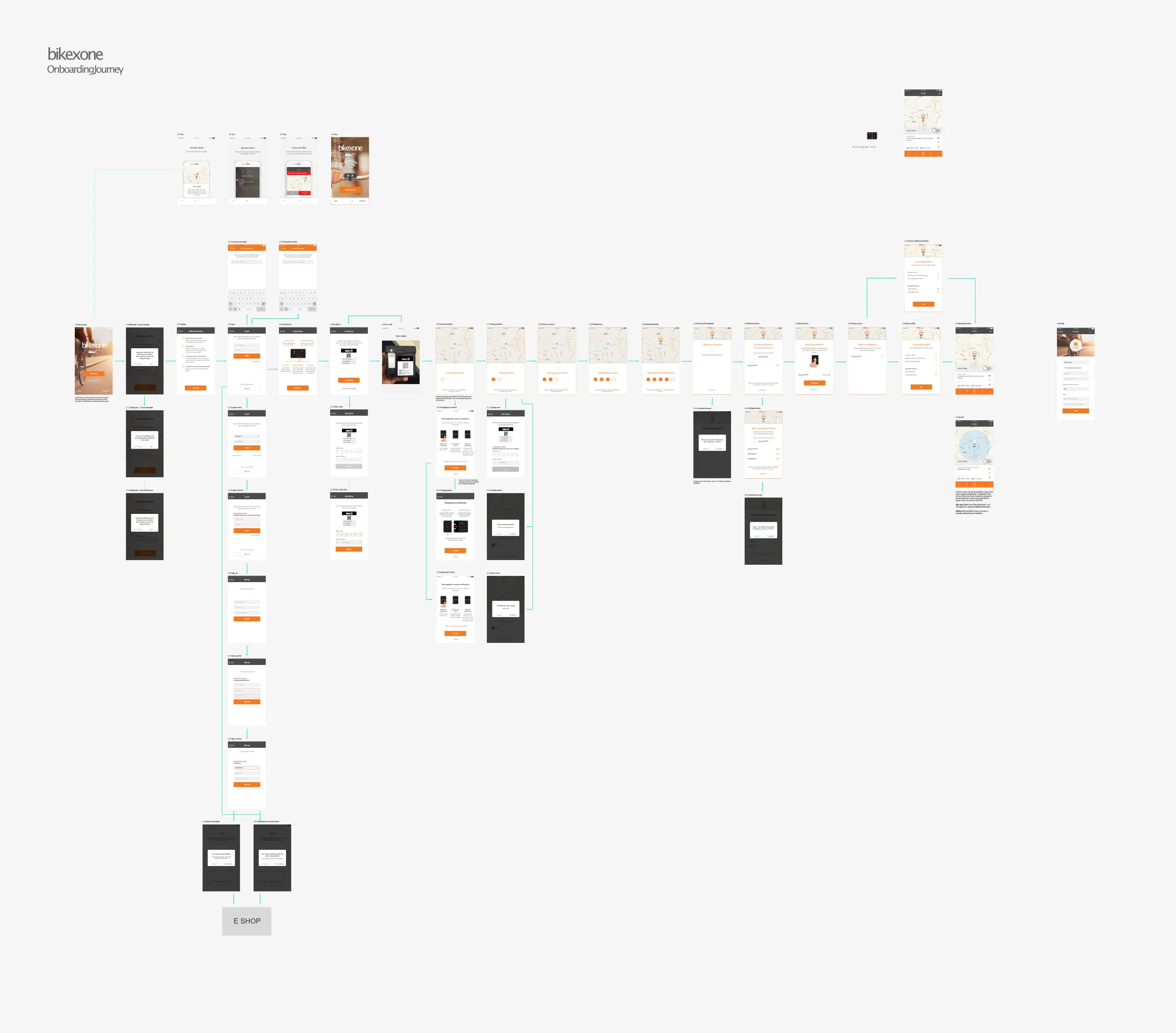
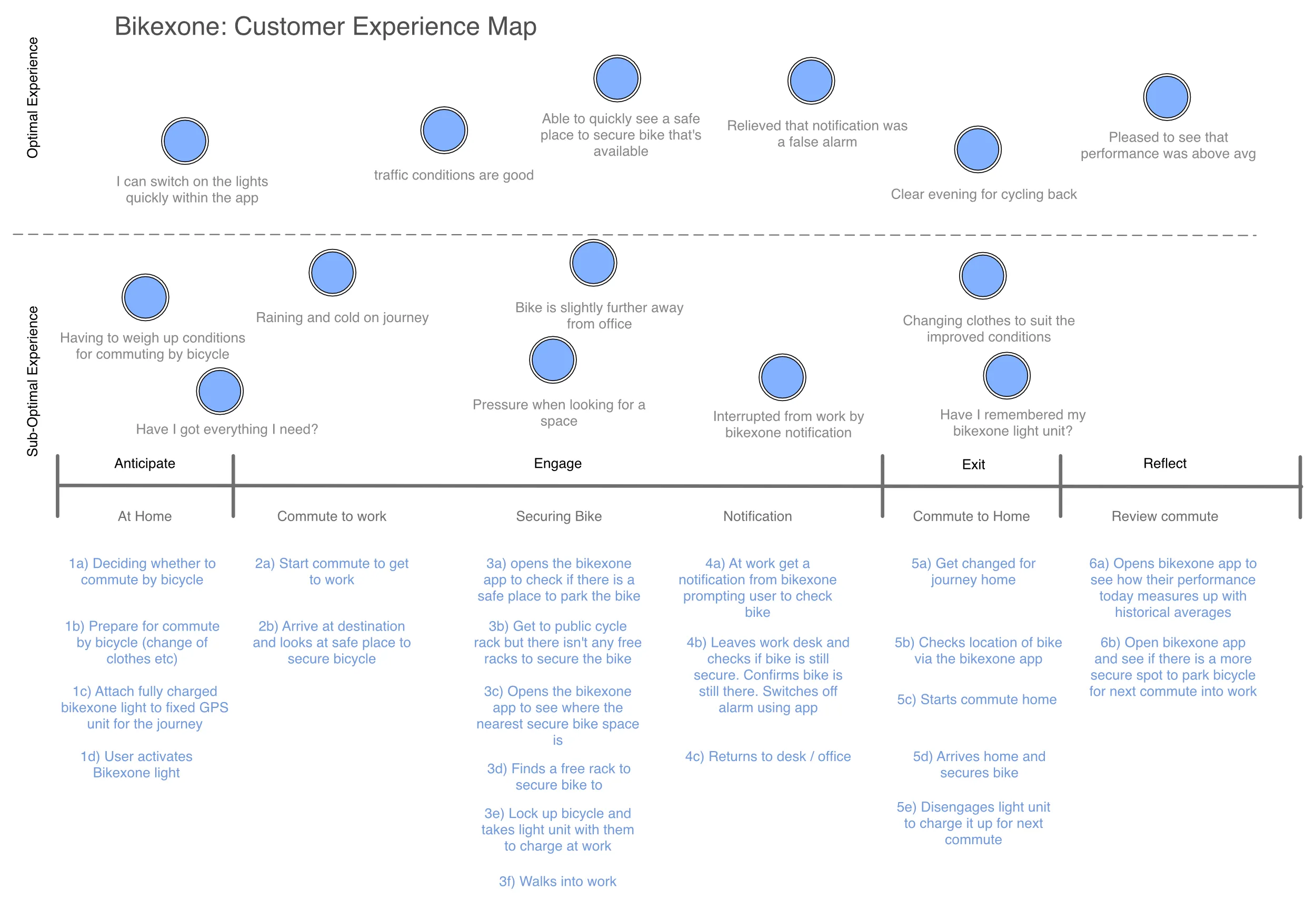
My role in this journey was pivotal, steering the project from its initial strategic ideation through to the delivery of a robust Proof of Concept. This involved not only defining the vision, scope, and financial underpinnings but also leading the crucial user research that illuminated the path forward, guiding both internal development teams and external hardware suppliers to create a cohesive and compelling offering. The methodologies employed, from Generative Sessions and Persona creation to Usability Testing and Customer Journey Mapping, were instrumental in ensuring that “bikexone” was built on a foundation of deep user understanding.
The strategic outcomes for Vodafone were manifold. The “bikexone” concept provided a clear pathway to enter the personal vehicle security market, leveraging Vodafone’s existing network infrastructure and brand trust. It demonstrated a commitment to innovation, particularly in creating practical IoT solutions that addressed everyday consumer challenges. Furthermore, the subscription-based model offered the potential for a sustainable recurring revenue stream and a platform for ongoing customer engagement.
The future potential for “bikexone” was considerable. With a solid MVP defined, the roadmap for enhanced features – including insurance partnerships, community alert systems, and integration with the wider cycling tech ecosystem – painted a picture of an evolving service capable of delivering increasing value over time. It laid the groundwork for a service that could not only deter theft and aid recovery but also foster a more connected and secure experience for urban cyclists and moped users.
Ultimately, the “bikexone” project underscored the power of a rigorous, insight-led service design approach. By placing the user at the heart of the innovation process, Vodafone was able to move beyond a simple technological solution to define a service with the potential for real market impact and lasting customer relationships. It was a testament to how strategic design thinking can transform a challenge into a significant business opportunity.
Let's talk
Working on something similar? I'd be glad to hear about it.